There is no single best podcast microphone, only the best one for the way you record: alone or with guests, in a treated room or not, audio only or on video. This selection starts from those real situations. We have not tested these microphones ourselves: every pick relies on public user feedback and on the reference guides listed at the bottom of the page, and every known limit is written down.
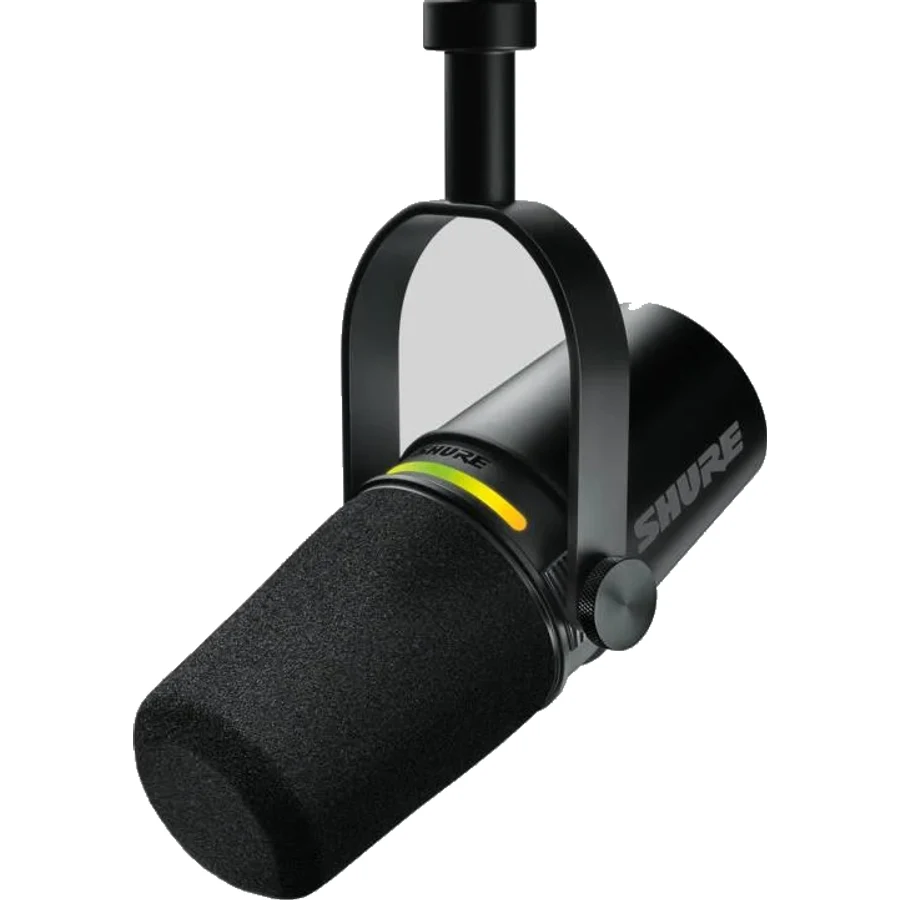
It plugs in over USB with no audio interface, and its built-in processing (automatic level, noise reduction) makes it usable in an untreated room. Its XLR output lets you move to an interface later without changing microphone. Limit: over XLR, all the built-in processing is gone.
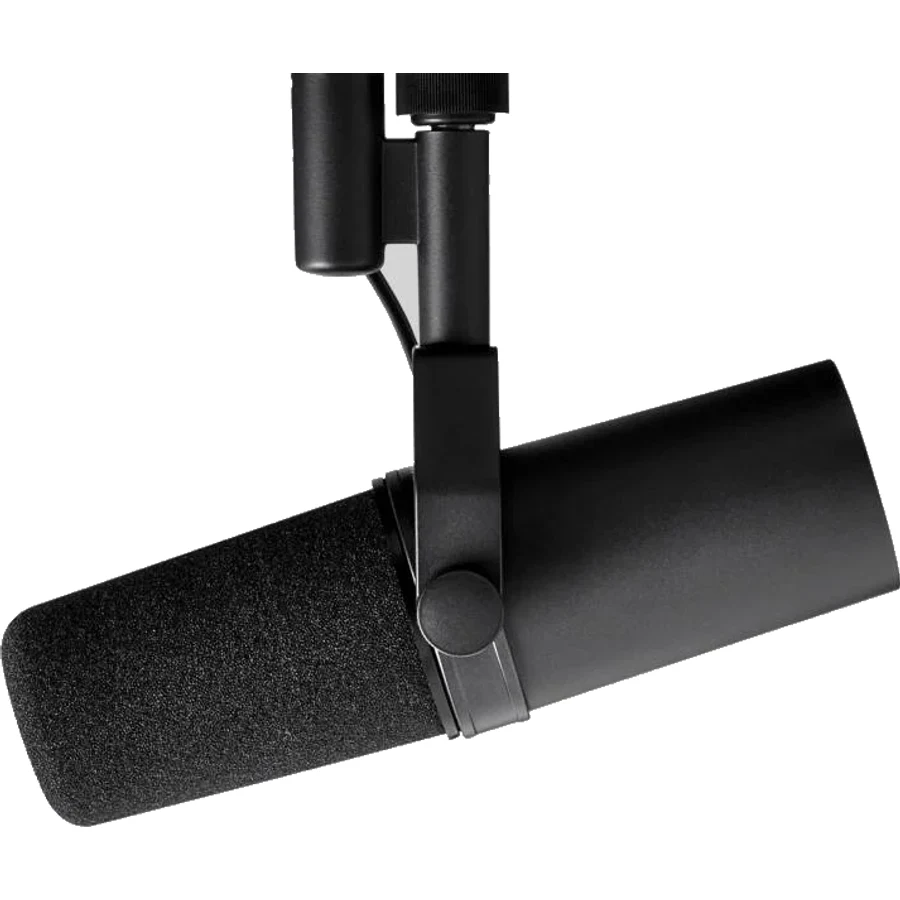
It is the podcast's "radio voice" reference: a sound built for close-up voice and widely documented background-noise rejection. It does need a lot of gain (a strong interface or an inline preamp) and a sturdy arm for its 765 g.
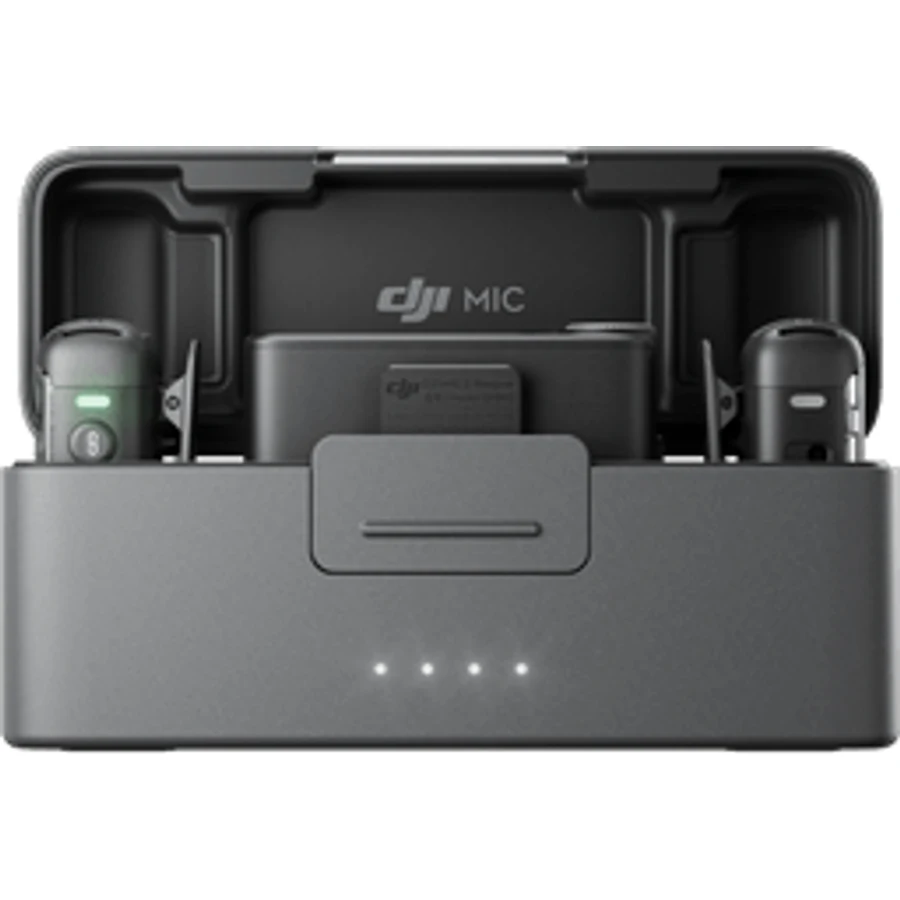
To film a conversation or an interview without cables: instant pairing, a case that charges everything, and internal 32-bit float recording, a safety net if the level is set wrong. Limit: no timecode to sync several cameras.
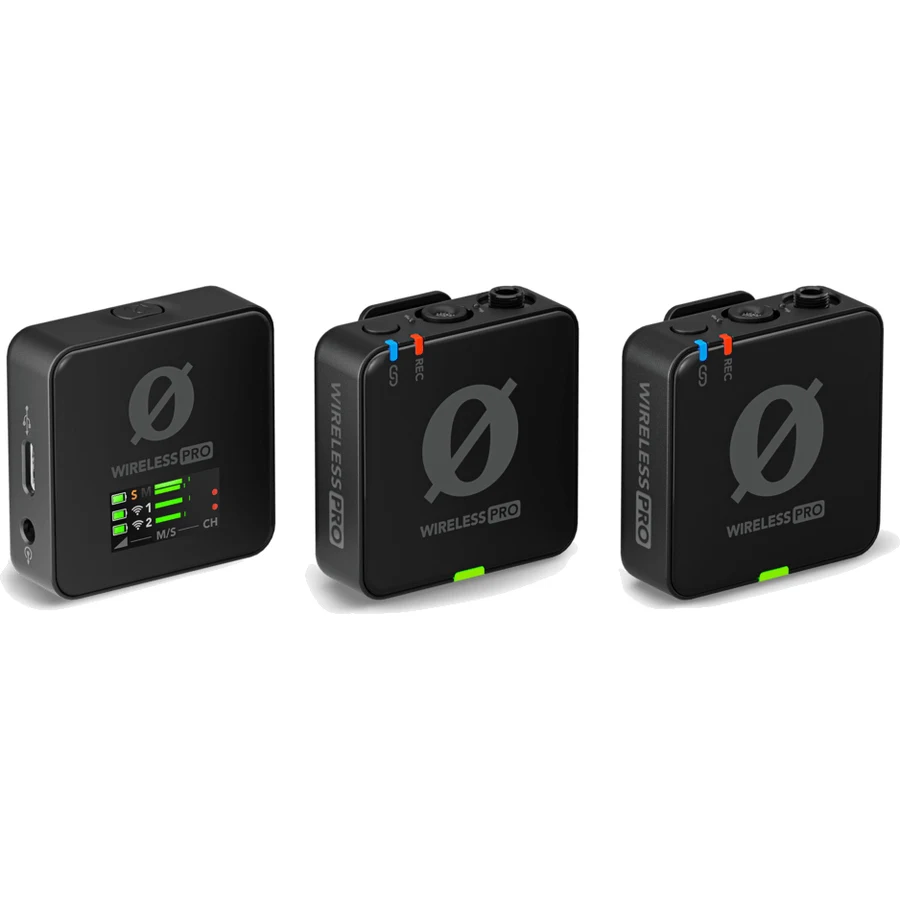
Built-in timecode lines the tracks up automatically in the edit when several cameras roll, and 32-bit float applies to the output too. Keep it for team shoots: for a simple interview, the DJI Mic 2 is enough.
A USB microphone plugs straight into the computer: the simplest way to start alone. An XLR microphone goes through an audio interface, which costs more but gives better gain control and lets you plug in several microphones. Hybrid microphones such as the Shure MV7+ do both: start on USB, move to XLR when the need appears.
The guides we read mostly cite the Rode PodMic USB as the best value, and the Samson Q2U as an entry-level USB and XLR microphone. If you go with an interface, the XLR Rode PodMic is the site's entry-level pick. Keep one principle in mind: an entry-level dynamic microphone placed a few centimetres from the mouth often sounds better than a high-end one used badly in an echoing room.
Two people in the same room need one microphone per voice and an interface with as many preamps: the Focusrite Scarlett 2i2 has two, like the Scarlett 4i4 (whose inputs 3 and 4 are line level and do not take a microphone). With gain-hungry microphones such as the SM7B, plan an interface with plenty of clean gain such as the Audient iD14 MKII, or an inline preamp such as the Cloudlifter CL-1.
For a filmed podcast, a wireless system frees your movements and simplifies the setup. For an audio podcast recorded at a desk, a close-up dynamic microphone remains better suited to the voice. The two uses combine well: a desk microphone for the main sound, a wireless one for outdoor segments. To film a podcast with more than two voices, the DJI Mic 3 takes up to four transmitters and adds timecode.
Closed-back headphones, such as the Sony MDR-7506, to hear yourself without the sound bleeding back into the microphone, a boom arm to place the microphone close to the mouth (essential for a heavy one), and recording software. Audacity is free and enough to start; Descript and Riverside add text-based editing and remote guest recording.
A product only enters this selection if several independent sources, or one reference source, cite it. We do not claim to have tested these microphones: we gather public feedback from users and specialist guides, and we write the limits as clearly as the strengths. The order does not depend on commissions.
Also cited by the reference guides
Rode PodMic USB — Cited as the best value for starting on USB. Page coming soon.
Samson Q2U — Entry-level USB and XLR microphone, often sold as a kit. Page coming soon.
Electro-Voice RE20 — A radio standard, cited as an alternative to the Shure SM7B.
Audacity — Free recording and editing software, enough for a first podcast.
Frequently asked questions
What is the best microphone to start a podcast?
To start alone without an audio interface, a good USB microphone is enough. The Shure MV7+ is a good choice because it plugs in over USB and keeps an XLR output for later. On a tight budget, the Rode PodMic USB is the one most often cited.
Do you need an audio interface for a podcast microphone?
Not for a USB microphone, which plugs straight into the computer. Yes for an XLR microphone, which needs an audio interface. For a low-sensitivity microphone such as the Shure SM7B, choose a high-gain interface or add an inline preamp.
Is a wireless microphone suitable for a podcast?
Yes for a video podcast or interviews on the move: the DJI Mic 2 and the Rode Wireless PRO also record internally. For an audio podcast at a desk, a close-up dynamic microphone suits the voice better.
Is the Shure SM7B still worth it in 2026?
Yes if you record voice often and accept a high-gain interface and a sturdy arm: it remains the podcast reference in an untreated room. Otherwise, a well-designed USB microphone gives a very good result with less gear.